Dry Gloves - Ultima Twist System
Tested in: Lac Léman - Switzerland | Water temp: 6°C | Dives logged with this setup: 5
What I Was Using Before
2mm wet gloves. And honestly? Not as bad as I expected. You adapt, you tell yourself the numbness is part of the deal. For a while, it kind of is, until your hands go numb 15 minutes into a dive and you stop being a diver and start being a passenger. Camera buttons become a guessing game. BCD controls feel like you're wearing oven mitts. It doesn't just make you cold, it makes you distracted. That's the real problem.
I never switched to dry gloves earlier because I thought they'd complicate an already involved setup. More gear, more steps, more things to manage on the surface before you even hit the water. Turns out that hesitation cost me a season of comfortable hands.
The System I went for
Waterproof Ultima Twist ring system: ~$160
The ring locks onto your drysuit's wrist seal. The concept is clean, the daily use is simple, and the Ultima Twist mechanism itself is genuinely well-designed. Locking in takes two seconds. Releasing takes two seconds. No complaints on the mechanism.
SF Tech PVC dry gloves: ~$30
PVC is the stiff, durable option. Less pliable than latex or neoprene, but more resistant and longer-lasting.
Kwark undergloves: ~$60
Thick thermal liners worn inside the dry gloves. These are doing more thermal work than people give them credit for. Don't skip on the liners.
Total investment: roughly $250 A real number, but a fraction of what a drysuit costs, and the impact on dive comfort is worth it.
Installation: The Honest Part
Getting PVC gloves onto the Ultima Twist rings is genuinely hard. Not "mildly annoying" hard, two half-day sessions hard. The first session ended with me putting everything down and walking away before I broke something. PVC is stiff, unforgiving, and has zero interest in stretching over a rigid ring.
The fix: silicone grease, and a lot of it. Once I applied a generous layer around the ring's lip and on my fingers, the whole thing became manageable. Controlled pressure instead of brute force. If I had to do it again, I'd start with grease from minute one and save myself an afternoon.
If you're going the PVC route: block out time, get good silicone grease, and don't rush it.
Once the gloves are mounted on the rings, installing and removing them from your drysuit daily is completely frictionless, that quarter-turn mechanism is the easy part.
In the Water
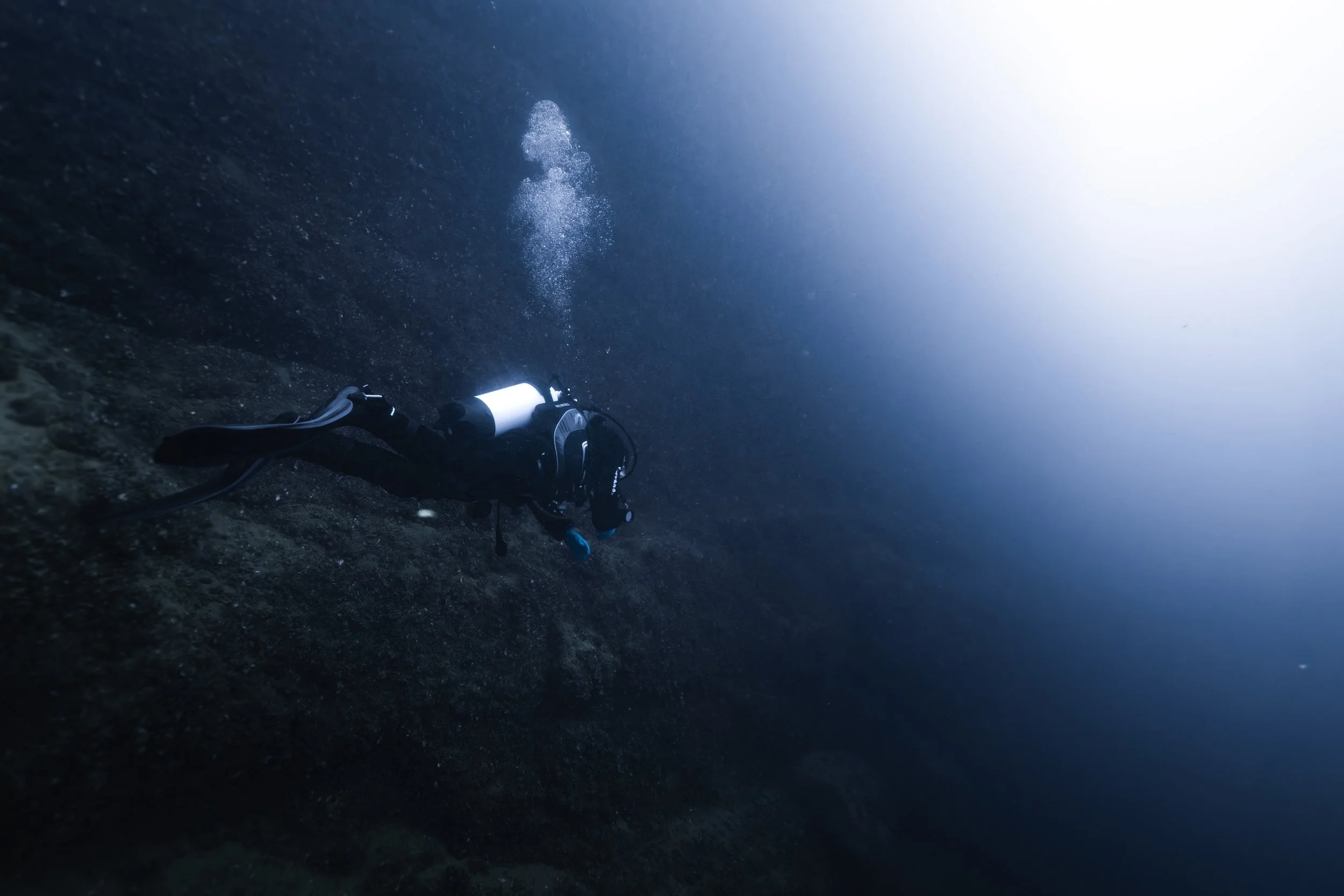
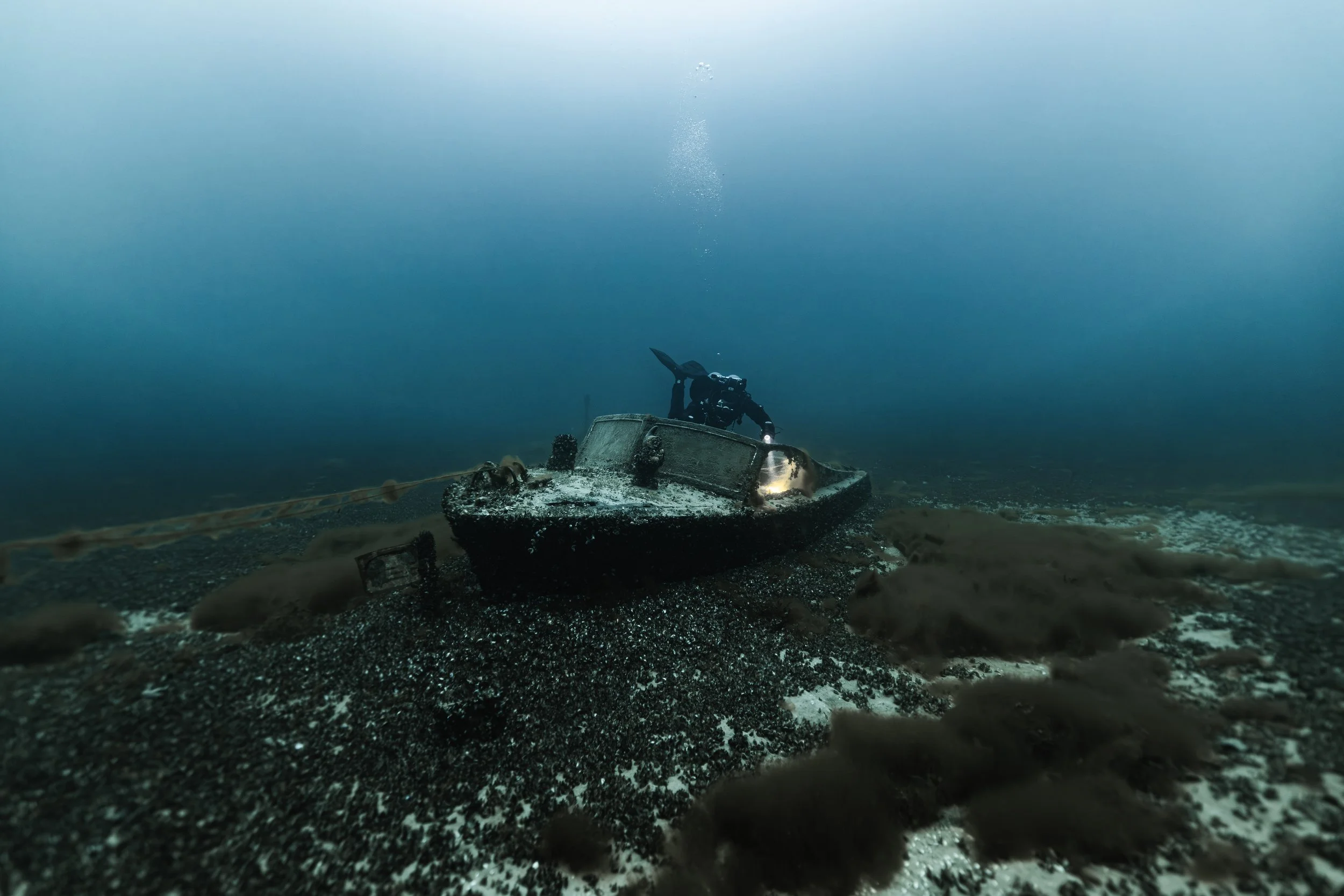
Thermal performance: A genuine step up from anything 2mm wet gloves can offer at sub-10°C. With the Kwark undergloves, my hands stayed functional for the full duration of every dive. Not just "warm enough to survive", actually functional. That distinction matters more than it sounds when you're trying to operate a camera housing in cold, dark water.
Dexterity: Better than expected for PVC. I went in bracing for clunky, fumbling hands. Instead, I had no issues working camera housing buttons or managing gear throughout the dive, even with thick liners underneath. It's not the sensitivity of bare latex, but it's genuinely usable.
Dry seal: No water ingress, no gradual soaking, no "thawing out" sensation mid-dive. Your hands stay dry from entry to exit.
Verdict
Thermal performance ★★★★★
Dexterity (PVC) ★★★★☆
Installation ★★☆☆☆
Daily ease of use ★★★★★
Value for money ★★★★☆
The system works. Each component does its job, the Ultima Twist mechanism is solid, the SF Tech PVC gloves perform better than their material suggests, and the Kwark undergloves are serious thermal insulation.
The only real friction is the initial glove-to-ring installation, which is a one-time problem once you know about the grease trick. After that, it's a two-second lock-in before every dive.
Going back to 2mm wet gloves after this? Not a chance.