Garmin Descent Mk3i - The Best Dive Computer You Might Not Need
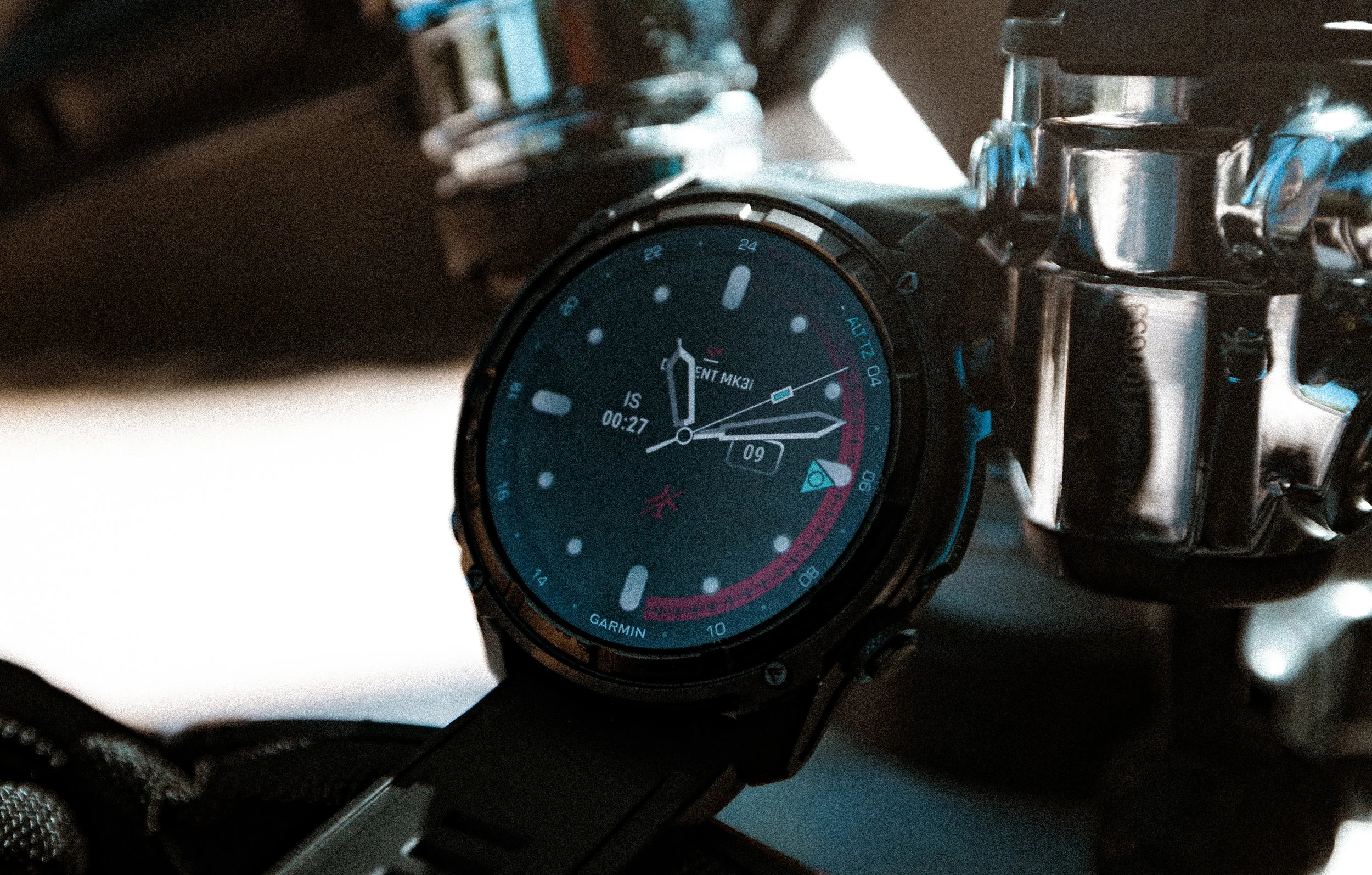
Tested in: Lac Léman & Lac de Neuchâtel | Water temp: below 10°C | Size tested: 51mm
What It Is
The Garmin Descent Mk3i is not just a dive computer. It's a full smartwatch, a multisport tracker, a GPS device, an underwater communication hub, and a dive readiness tool, all in one piece of titanium on your wrist. That's the pitch. Whether that's exactly what you need is a different question, and one worth thinking about before you spend the money.
The Hardware
The 51mm size hits a good balance, substantial enough to read clearly underwater without feeling like you're wearing a puck on your wrist. The 1.4" AMOLED display is genuinely bright and easy to read in both surface and underwater conditions, and the interface is intuitive enough that you're not fumbling through menus mid-dive.
Customization is solid. You can configure screens for each dive mode, add the data fields you actually care about, and strip out what you don't. For a device this feature-dense, the UX is surprisingly clean.
Build quality is what you'd expect at this price point: sapphire crystal glass, inductive metal buttons, rated to 200m. The ambient light sensor that switches the dial to green luminescence in low-light conditions is a genuinely useful detail for night dives or dark water.
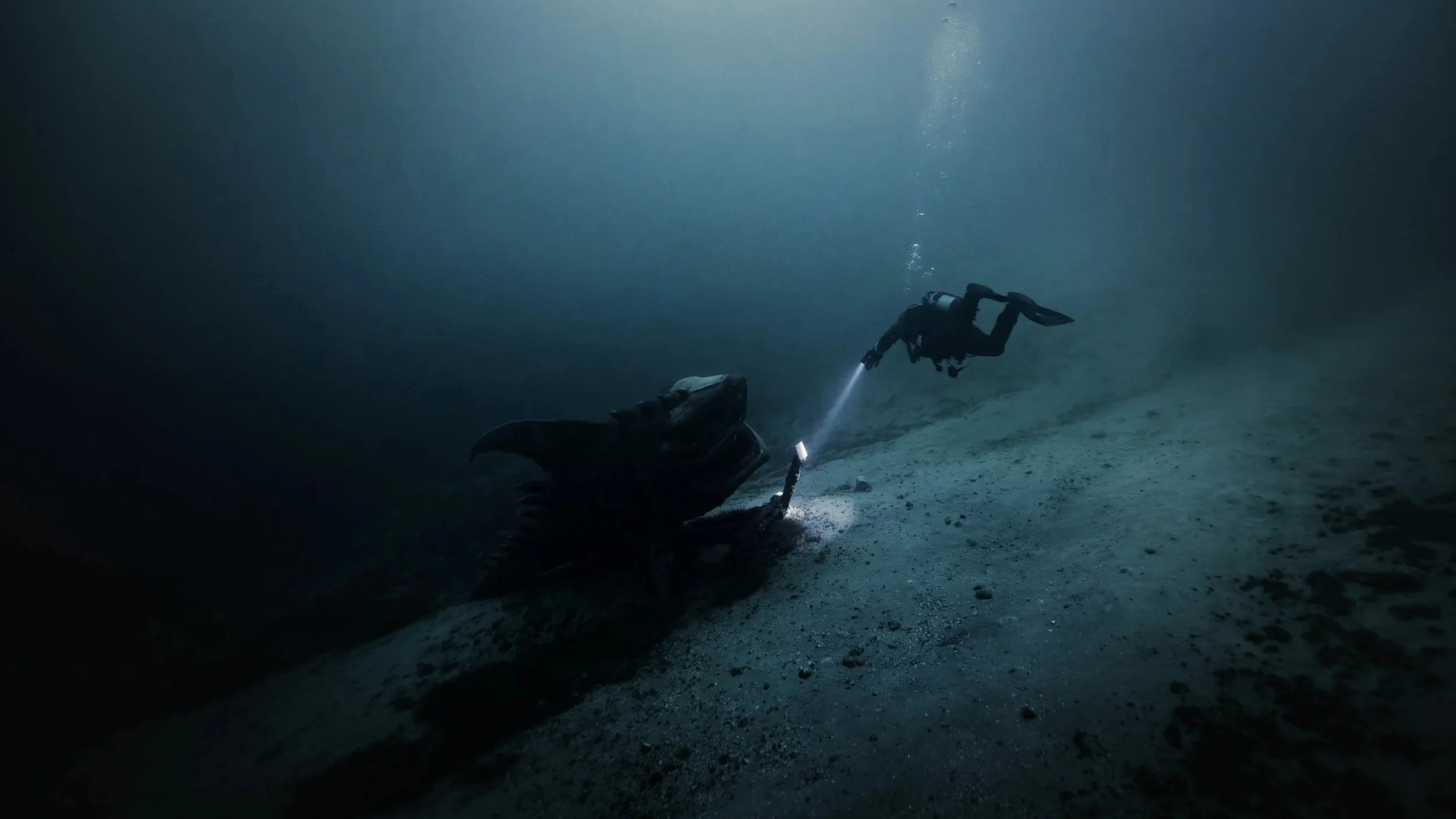
One issue worth flagging: with a drysuit, the inductive buttons get pressed involuntarily during the dive. It's happened repeatedly, not ideal when you're mid-dive and your computer starts navigating menus on its own. Something to be aware of if you're a cold water diver.
The Features
Dive Readiness Tool
Garmin's exclusive feature that analyzes your sleep, stress, exercise load, and jet lag to tell you how ready your body is to dive. The concept is genuinely smart, diving puts real physiological stress on your body, and most divers completely ignore that. In practice, I haven't yet had a case where it told me not to dive when I felt fine. But the data is interesting, and I can see it being genuinely useful for high-output divers doing multiple dives a day over several days.
Dive Modes
Single gas, multi-gas (nitrox and trimix), gauge, freediving, spearfishing, and closed-circuit rebreather. That's a full range. I haven't tested gas switching yet, but the capability is there for when it becomes relevant.
SubWave Underwater Communication
Pre-set messaging between divers up to 30m distance, plus tank pressure and depth tracking for up to 8 divers within 10m. Haven't tested it yet, it requires the Descent T2 tank transmitter (sold separately), but the potential is genuinely exciting for group dives. More on this once I've actually used it.
DiveView Maps
Color bathymetric maps with depth contours and 4,000+ dive sites built into the device. Useful for exploring new sites, and the GPS surface tracking for entry/exit points pairs well with the dive log.
Dive Log
Solid. The Garmin Dive app gives you a real depth profile, entry/exit GPS points, gas consumption data, and notes. It's not the most beautiful interface in the world, but the data density is genuinely useful for tracking progress and reviewing dives properly.
Multisport & Smartwatch
Up to 66 hours GPS battery life, 25 days in smartwatch mode. If you're also running, cycling, swimming, or doing anything else that benefits from a GPS sports watch, the Mk3i handles all of it. This is where a lot of the value sits for active people who don't want to wear two devices.
In the Water
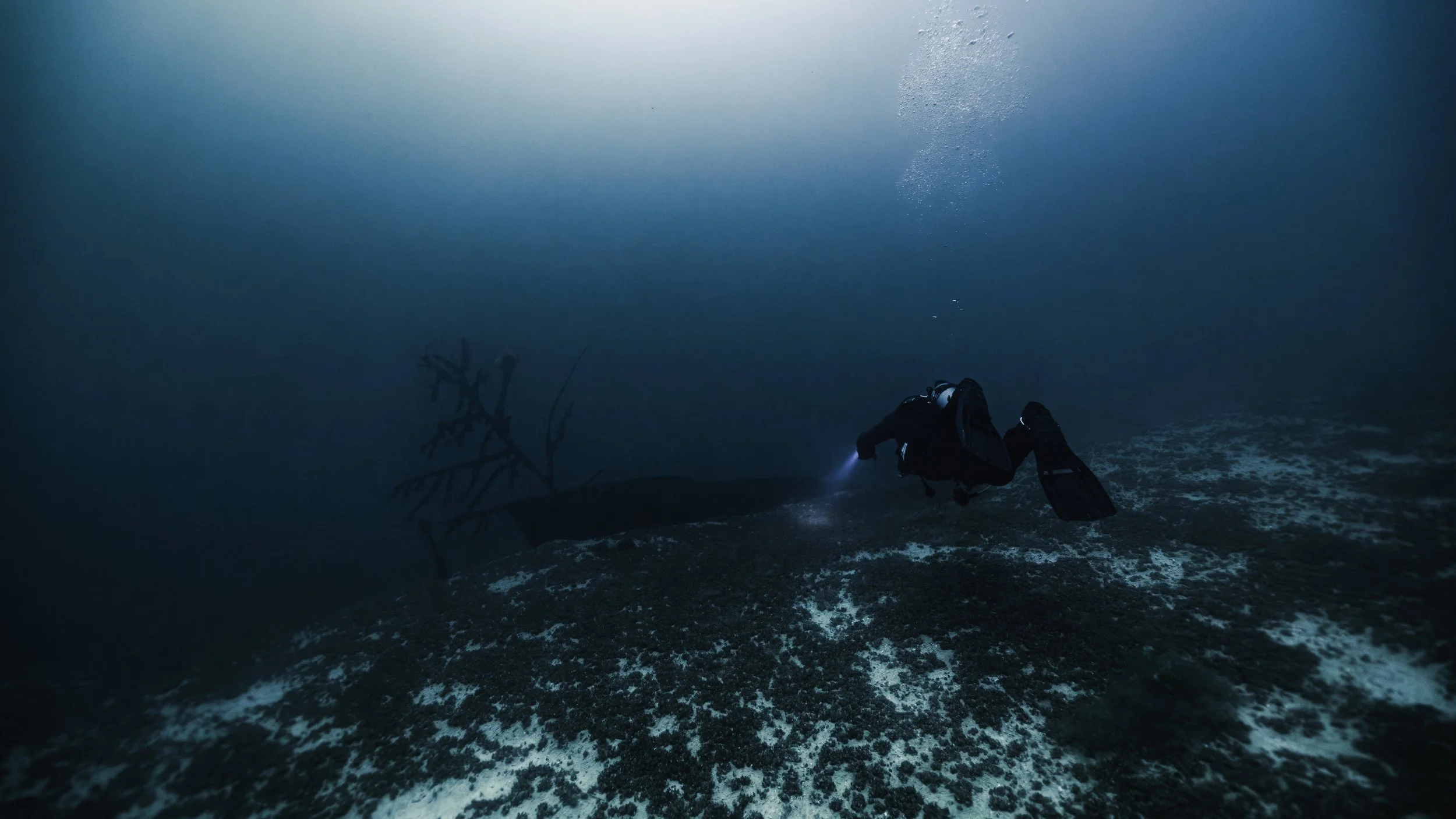
The display holds up well in cold, dark lake water. Reading NDL, depth, and tank pressure at a glance is easy, and the big numbers mode helps when visibility is low or you're focused on something else. The NDL Aware depth metrics, which show in real time how depth changes affect your no-decompression limit, are a nice touch for divers who actually want to understand what's happening, not just watch a number count down.
The integrated LED torch works underwater, which is a useful backup even if you're carrying a dedicated light.
The involuntary button presses with a drysuit are the one functional issue I've encountered. It doesn't compromise safety, but it's annoying mid-dive and worth Garmin's attention.
The Honest Take
Here's the thing: if all you want is the best pure dive computer for the money, the Garmin Descent X50i or a Shearwater will serve you better at a lower price point. Those are dive-first devices. The Mk3i is a smartwatch that also happens to be an excellent dive computer, and that distinction matters for how you think about the value.
If you're already looking for a high-end GPS multisport watch and a capable dive computer, the Mk3i makes genuine sense. You're buying one device instead of two, and it does both jobs well. But if diving is your only use case, you can get equal or better dive-specific performance for less money elsewhere.
I love the object. The build, the display, the customization, the data, it's all well-executed. Just be honest with yourself about whether you're paying for features you'll actually use.
Verdict
Display & readability ★★★★★
Ease of use ★★★★★
Dive features ★★★★★
Multisport value ★★★★★
Drysuit button control ★★☆☆☆
Value as pure dive computer ★★★☆☆
Value as dive computer + smartwatch ★★★★★
If your life happens both in and out of the water, the Mk3i earns its place. If you're buying purely for diving, look at the X50i or a Shearwater first.
Device reviewed: Garmin Descent Mk3i 51mmFeatures pending test: SubWave underwater communication, gas switching